
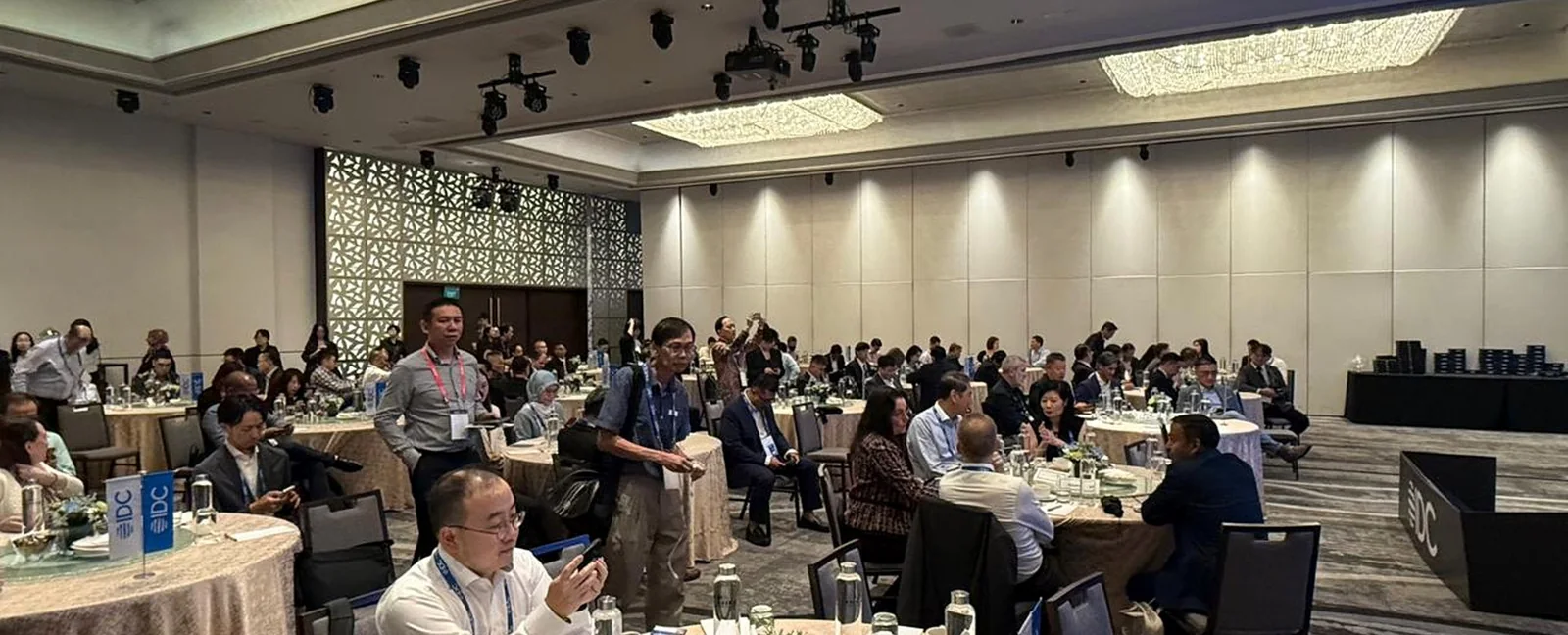
When people attend a conference, they experience far more than the stage presentation. The first signs, the registration line, the lighting, the room temperature and the ease of finding a session all shape their impression of the organizer.
Whether you’re planning a leadership summit, technology conference or partner gathering, focus on the delegate journey from arrival to departure.
Before arrival: make expectations clear
Send practical information ahead of time: venue entrance, parking or transport, reporting time, badge collection and the agenda. If the venue has multiple gates or buildings, make it clear which one participants should use. A simple map often saves more confusion than another reminder email.
At the venue: design an effortless welcome
- Registration: calculate the likely arrival rush, not only the total number of delegates. Plan queue space and a separate process for walk-ins or special assistance.
- Wayfinding: place directional signs before decision points. Guests should not have to ask staff which auditorium or floor to use.
- Accessibility: review entrances, seating, movement routes, hearing or language support and clear assistance contacts.
- Hospitality: plan coat or bag handling, water points, coffee breaks and restrooms with the actual schedule in mind.
Inside the conference: make every seat count
Test the presentation at the back of the room. Are the smallest words on the screen readable? Can delegates hear a speaker clearly from every section? Are camera angles, stage lighting and microphone handovers rehearsed?
If several sessions run in parallel, check their transfer times, signage and the flow between rooms. Avoid placing noisy networking activities next to spaces where focused presentations are taking place.
Behind the scenes: give the team one source of truth
Create a minute-by-minute run of show listing cues, speakers, AV changes, room owners and escalation contacts. Prepare a response for late speakers, delayed sessions or a screen failure. Rehearsal is the place to uncover issues, not the opening keynote.
After the event: close the loop
Share relevant presentations or resources, thank attendees, collect feedback and make sure interested contacts reach the right team. The follow-up should connect back to the conference’s original goal, not simply send everyone the same generic message.
The test: could a first-time delegate arrive, find their session, participate and leave without confusion? If the answer is yes, the planning is working.